

CPAP product reviews and other helpful tips for CPAP users!
Common CPAP Problems: What You Need To Do About Them
Having Problems With Your CPAP Equipment?
If you are reading this article then we are guessing that your journey with CPAP equipment hasn’t been the smoothest so far. Getting used to using CPAP masks and machines takes time. And it is normal to experience some CPAP problems along the way, especially at the very beginning.
Perhaps the fit of your mask is too tight and it’s giving you a headache. Or maybe you’re having some leakage problems and aren’t getting full of the benefit from your CPAP therapy. While some marks on your face or small problems may cause you to give up, we promise you that there is a solution to your problems. Below, we’ll talk about the common side effects you may experience with CPAP equipment and how to solve them.
Common CPAP Side Effects & Problems
If you are struggling with CPAP problems, you are not alone. Many sleep apnea patients need an adjustment period to get used to the treatment. Just think about it...Up until now, you’ve spent your whole life sleeping without the assistance of a CPAP machine. So, it won’t be something that you just get used to overnight.
Understanding the side effects and problems that you may experience during CPAP therapy is very helpful in knowing whether it’s a bump along the road or if there is something wrong with your CPAP equipment.
Dry Eyes
Some sleep apnea patients may experience symptoms of dry eyes when using their equipment. Dry eyes are a sign that your tears aren’t providing enough lubrication for your eyes. When this happens it is common for your eyes to feel itchy and irritated while also becoming blurry and sensitive to light.
If you’ve never had this problem before, it may be possible that your CPAP mask is experiencing a leak. As CPAP masks are worn very close to the eyes, if there is a leakage, it is possible for this air leak to dry out your eyes. Especially if you have a high-pressure setting.
A Solution For Dry Eyes
The first step is to take is to fix any mask leaks. Make sure that the mask is flush against your face. This can be accomplished by using a nasal cushion to help form a better seal. Cleaning your mask can also help to ensure that no air escapes from the mask during use.
Swallowing Air
Aerophagia, also known as the excessive swallowing of air, is something that any OSA patient can potentially experience.
A gas-related condition, aerophagia generally happens when too much air is entering your gastrointestinal tract irritating your stomach and intestines. As the air builds up, it is normal to experience a number of the following symptoms:
- Heartburn and acid reflux
- Stomachache
- Bloating
There are a number of CPAP problems that may lead to this condition such as airway pressure being too high or too low. Having nasal congestion or breathing primarily through the mouth can also change your breathing pattern causing more air to travel to your stomach.
A Solution For Aerophagia
Make sure that your CPAP pressure settings are not too high as this can often cause extra air to flow into the stomach. Alternatively, try adjusting your sleeping position especially if you tend to sleep on your back.

Nasal Dryness
Another CPAP side effect to be aware of when using a mask is nasal dryness. Discomfort in the nasal area is normal while wearing a mask.
As CPAP therapy involves the flow of air pressure through the nasal passageways, it can often be hard for the nasal airway to maintain both its warmth humidity. The nasal airway is vascular which makes it easier for it to become more dried out with cold air.
Sometimes when sleeping with a CPAP machine, it is possible for air to be unintentionally directed from the mouth to the nasal passageway without it reaching the lungs first. This airflow is cold and therefore, has a higher chance of drying out the nasal airway. When this happens, inflammation can occur causing nose bleeds, dry mouth, cracked lips and dry nose.
A Solution For Nasal Dryness
Make sure that your CPAP mask fits properly and isn’t too loose. When a mask doesn’t fit properly it causes leakages to occur which causes dryness around the nose. Using a CPAP heated humidifier can also be beneficial as it provides the right amount of humidity to the air. This will keep both your nose and mouth moisturized.
Mask Discomfort
If you didn’t experience some mask discomfort when you started CPAP therapy, then count yourself among the lucky ones.
Wearing a CPAP mask will always take some time getting used to. You need to not only learn how to sleep while wearing one but you also need to ensure that it is the right fit for you. There are many OSA patients out there who have had trouble with mask discomfort.
The most common complaints that we have heard from CPAP mask users include:
- “My mask is too tight”
- “ I wake up with red marks on my face”
- “I get skin breakouts and soreness from the strap marks”
- “Wearing my CPAP mask gives me headaches”
Whatever the form of discomfort you may be having the great news about this side effect is that it can be easily fixed. Mask discomfort is unpleasant but shouldn’t be a deal-breaker.
A Solution For Mask Discomfort
Mask issues are normal. If you are having them, there is an easy solution that you can try. The worst case scenario is that you will need to replace some of your equipment. Mask discomfort from straps being too tight can easily be adjusted. Strap covers can also be used to cushion the strap against your face.
Noisy Machine
For some OSA patients, the first thing they need to get used to with their new CPAP machine is the light whirring noise that it makes. This is completely normal. Having a new noise in your sleep environment will always take time to adjust to.
But if your CPAP machine is so noisy that it is disrupting your and other people’s sleep then it can become a problem. Oftentimes, the noise isn’t only coming from your machine but also your CPAP mask. If you suspect that your mask may be a contributor, there are simple steps you can take to fix it.
A Solution For Noisy Machines
To quieten a noisy machine, sometimes all you need to do is reposition it to either another surface or further away. Simple. Also, check your mask for a seal leak as this can contribute to noise too. It’s always a good rule of thumb to replace your mask every 6 months to avoid leaks happening.
Adjusting To CPAP Equipment Takes Time But It’s Worth It
CPAP therapy won’t always be a straightforward journey for everyone but it is worth it. If you are experiencing some of the common CPAP problems we spoke about above, make sure that you try out these solutions.
If you are unable to troubleshoot the problems on your own, make sure to bring your equipment to a local CPAP vendor to get professional help with troubleshooting the issue you are having.
Getting used to sleep apnea treatment can be frustrating but when the therapy is successful it will improve your sleep quality enormously. There is a reason why CPAP therapy is the gold standard for obstructive sleep apnea treatment after all.

Going On A Winter Vacation? CPAP Travel Tips For OSA Patients
We all love to travel abroad on vacation. But what happens when you need to bring your CPAP equipment with you too? Not to worry. Here are our tips on how OSA patients can travel comfortably and why a portable travel CPAP machine is the best way to achieve this.
Going Abroad This Winter?
We all need a vacation from time to time for some much needed R&R. Yet, for many OSA patients, the thought of bringing their CPAP equipment along can seem like too much of a hassle so they may choose to just leave it at home.
If you are planning on travelling abroad this winter, remember that you can enjoy your vacation even with your CPAP equipment in tow. While going on vacation can be challenging for those who have trouble sleeping, with the right travel tips and sleep apnea equipment, it will be highly rewarding.
Travelling: What Effects Can It Have On OSA Patients?
Travelling can affect anyone’s sleep pattern but even more so when you have sleep apnea. According to research, people with a sleep disorder have a tendency to sleep one hour less while on vacation than when they are at home.
As travelling can inhibit sleep functions, it is normal to feel more groggy than usual especially when going on a long haul flight. While this has the potential of making your sleep quality worse, this will only be the case if you do not keep up CPAP therapy when on vacation.
Keeping up your sleep apnea treatment when abroad is essential even if you are worried about feeling embarrassed or anxious about travelling with your equipment. The good news is that travelling with a CPAP machine, especially a portable CPAP machine is actually quite simple.
Guide To Travelling With CPAP Equipment
Many airports and airlines allow you to bring medical devices including your CPAP equipment onboard with you. So, you don’t have to worry about your device being misplaced or damaged.
When boarding the plane, keep your CPAP machine with you in a separate bag. More often than not, it will need to be inspected so bringing a copy of your doctor’s CPAP prescription can help to speed up the screening process.
If you are going on a long haul flight that will require you to use your CPAP device before arriving at your destination, make sure to notify your airline before flying. Often times, an airline can make special arrangements to ensure that you will be able to use your equipment comfortably during the flight. If your device has an airplane mode make sure to turn this on and your humidifier off.
Most airplanes should have outlets available but if you are worried about not having access to one, consider using a battery pack. Many CPAP device models including mini CPAP machines are built to be compatible with battery packs in situations where a power outage occurs or power supply is insufficient.
Finally, make sure to bring a travel plug adapter with you especially if you are travelling outside of North America. This is also another situation where having a battery pack can be really beneficial. For example, if you’re travelling to the European Union, the power supply might not be adequate for running your CPAP machine. Having batteries means that your device will stay powered during your trip.
Portable Travel CPAP Machine: It Can Improve Your Travel Experience
Planning on travelling light or bringing carry on luggage only? If the answer to this is yes then a travel CPAP machine is a great option. These sleep apnea units are designed to smaller, quieter and lighter.
The Resmed AirMini is one of the smallest CPAP machines on the market and is perfect when travelling abroad on vacation or even for a family weekend staycation. With features such as auto altitude adjustment, waterless humidification and the ability to control it using the AirMini app, this will be your new favourite travel buddy.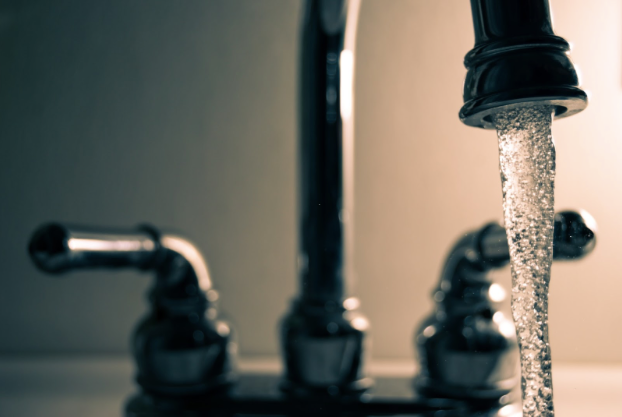
You and Your CPAP Equipment: How Often Should It Be Cleaned?
The right CPAP machine will also provide you with long-term benefits. But in order to fully enjoy the benefits of your CPAP machine, cleaning and maintaining your machine will be crucial. Your CPAP machine and mask require a level of care that shouldn’t be ignored or neglected.
This blog post will talk about how often your CPAP mask and CPAP equipment need to be cleaned. As well, we will discuss the importance of sanitization when it comes to CPAP equipment. The below instructions will ensure a longer lifespan for your equipment, a proper-functioning machine and a happy sleep!
Don’t Put Your CPAP Performance (And You) At Risk
What are the risks of not cleaning your CPAP mask and equipment? Not keeping up with your CPAP cleaning routine can be very risky. This can include damage to the machine such as mineralization of the equipment, mould and bacteria exposure, as well as the potential for your warranty to be voided.
While the above sounds bad on its own, improper or neglected cleaning can also lead to damage to your own health. If you’re not cleaning your machine regularly, you can notice allergy symptoms, an increase in respiratory illness or sickness, as well as the machine not providing the same optimal benefit at night to minimize your sleep apnea.
How Often Should CPAP Equipment Be Cleaned?
There are specific care instructions you should follow to make sure you get the most out of your CPAP equipment and mask. These instructions range from what you should consider for your machine and mask daily, to even longer-term care weekly to monthly.
Daily
After you wake up, it’ll be in your best interest to clean your mask in the morning. Why? While most masks are made from silicone, cleaning your mask in the morning with soapy water ensures that you allow the mask enough time to dry completely. This means it can be ready to use again for bedtime. While you can let your CPAP mask air dry, it is also a good practice to dry the mask with a clean cloth, in order to ensure it is completely dry for the next use that night.
But what if you’re a busy individual? Cleaning your mask every morning can’t always happen. That’s why investing in CPAP cleaning wipes is also a sensible choice. Regular use of wipes can effectively remove the build-up of dirt, grease and oils; and is a great daily alternative when you’re on the go.
Weekly
While cleaning the mask daily will be a great best practice for maintaining your CPAP mask, in order to keep the hose of your CPAP equipment like-new and free of bacteria, you should clean this part of the machine once a week.
Unscented or mild soap, or vinegar, is a low-cost and safe option to clean your tubing. By simply placing the tube in warm water, and with detergent or vinegar, swirl the tube in the water solution. It’ll then be very important to hang the tubing to dry in order to speed up the air-drying process.
Monthly
When it comes to cleaning your CPAP filter, this will depend on the filter type you have for your machine. Be sure to check the model of your machine to be certain. The standard guideline is to change your filter every six months. It’s not necessary to do this monthly unless a specific circumstance calls for it.
Some reusable filters can be cleaned with water, dried and used again. However, many machines, such as the Dreamstation Auto, will allow you to replace the filter completely with a new one; making for an easy and quick step in your ongoing maintenance.
In fact, while cleaning the machine regularly will ensure a longer lifespan for your CPAP machine, we should also consider when to replace certain elements of the machine entirely. For example, replacing the tubing and the mask should be done every six months, in order to ensure optimal performance, as eventually, these materials will degrade.
Cleaning Your CPAP Machine
While the above tips may ensure that your mask, tubing and filter remain clean, functional and effective for ongoing use, the biggest impact will be cleaning your CPAP machine, itself.
To do this, always ensure the machine is unplugged, and wipe it down with a clean cloth or towel, making sure the machine is completely dry before plugging it back in.
When it comes to cleaning your water chamber, this is recommended as something you should do weekly. To clean the chamber, remove your chamber completely from the machine—and like your tubing and mask—clean it with a mild soap in clean water. Be sure to rinse the chamber well.
Once done, dry it off and let dry in a cool, dark place (avoiding direct sunlight) before placing the chamber back in the machine and using it again that evening.
Types of Sanitation & Cleaning
While we mentioned certain ways to clean your CPAP mask and equipment manually, you might decide to invest in a CPAP cleaner or CPAP sanitization machine. These machines allow different ways to clean, using certain technologies. Some of these technologies include:
Oxygen
Machines such as the SoClean 2 CPAP cleaner, are a great investment, with solid reviews and medical-grade technology. A machine like this, for example, uses ozone or activated oxygen instead of water. As a result, it can kill harmful elements such as mold, bacteria and germs. Without water to clean the machine, this also means this technology doesn’t require any wait time for parts to dry.
Light
Some sanitation devices will use a level of ultraviolet light to clean your CPAP. Like with activated oxygen, this technology means there’s no use for water or chemicals to clean your machine. The Lumin is a great example of a UVC light sanitation device. It’s also very easy to use. Simply open the tray, place your CPAP equipment inside, close, and push the button to clean.
Routine Washing
While we’ve mentioned above the importance of cleaning your machine regularly, we can’t stress this enough. Sanitation machines can’t replace routinely washing your machine. This is essential in order to remove oils and dead skin cells on a daily and weekly basis. While oxygen and UV machines will make the maintenance of your equipment easier, manual cleaning —and the steps to do so mentioned above— will be an important step to still include in your CPAP cleaning routine.
We hope this article provides a level of clarity on how to best maintain your CPAP machine and CPAP equipment.
Be sure to read our other pieces, such as “How Long Before I Change My CPAP Filter” and other important questions answered on our blog, so you can stay informed and sleep easy!