

CPAP product reviews and other helpful tips for CPAP users!

Central vs. Obstructive Sleep Apnea: What Are The Main Differences?
If you’re experiencing regular sleep issues, insomnia, or just feel downright exhausted, you may have sleep apnea. Consulting your family doctor and undertaking a sleep study is the first step towards a more restful sleep.
Sleep apnea is extremely common, affecting roughly 5.4 million Canadians. The two types of sleep apnea are obstructive sleep apnea and central sleep apnea. It’s important to get properly assessed as the cause and treatment of every case of sleep apnea is unique.
Read on to learn about how to identify if you have sleep apnea, what type of sleep apnea you have, and how to treat it.
Obstructive vs. Central Sleep Apnea
The main difference between central and obstructive sleep apnea is that the former is a cause of brain function while the latter is caused by a physical obstruction. Obstructive sleep apnea is far more common.
The following information may help you determine if you have sleep apnea. However, a consultation with a doctor will be the best path to lead you to a proper diagnosis. This may include your doctor advising you to take a sleep study. This means you would sleep overnight at a facility that can diagnose sleep apnea by monitoring your sleep state, eye movement, muscle activity, heart rate, breathing, airflow, and blood oxygen levels.
Obstructive Sleep Apnea (OSA)
OSA is when your breathing is repeatedly halted during sleep for brief periods as your throat does not stay fully open. This can cause fragmented sleep. It can also lower the levels of oxygen in your blood, due to a lowered oxygen intake. Over time the lack of rest and oxygen depletion can lead to heart disease, hypertension, memory issues, depression or chronic anxiety.
Risk Factors
There are several lifestyles and bodily factors that may increase your risk of developing OSA. Risk factors for OSA outlined by the National Sleep Foundation include:
- Having a small upper airway (or large tongue, tonsils or uvula)
- Being overweight
- Having a recessed chin
- A small jaw or a large overbite
- A large neck size (17 inches or greater in a man, or 16 inches or greater in a woman)
- Smoking and alcohol use
- Being age 40 or older
- Ethnicity (African-Americans, Pacific-Islanders and Hispanics).
- Hereditary Factors
Signs and Symptoms
Some of the most common symptoms of OSA are hard to identify on your own but may be identified by a partner or parent observing your sleep. These include:
- Deep and chronic snoring
- Episodes of gasping or coughing during sleep
- Observed periods where breathing stops during sleep
Other symptoms are common to other medical conditions and are harder to identify on their own as being caused by OSA. These include:
- Excessive tiredness
- Morning headaches
- Difficulty concentrating
- Dry mouth or sore throat in the morning
- Dramatic mood shifts or irritability
- Nighttime sweating
- Decreased sex drive
Treatment Options
The primary treatment for sleep apnea is a continuous positive airway pressure device (CPAP), better known as CPAP therapy. This device gently blows air into your airway during sleep through a mask you attach to your face.
Other treatment options include surgery to correct the underlying problem or an invasive hypoglossal nerve stimulation technique.
If the cause of your sleep apnea is your body weight, alcohol, or smoking, then a positive lifestyle change may also correct the underlying problem.
Central Sleep Apnea (CSA)
CSA is caused by a disruption of signals from the brain’s respiratory drive. Simply put, your brain is not able to tell your muscles to breath. Unlike OSA, risk factors for CSA are more related to brain injury, medical issues, or substance abuse issues. It can also result from living at high altitudes.
The signs and symptoms of CSA are the same as those of OSA. Your medical history and a proper sleep study will determine if you suffer from CSA.
Risk Factors
Medical and lifestyle risk factors for CSA include:
- Heart disorders such as atrial fibrillation or congestive heart failure
- Stroke, brain tumours or brain injury
- Residing at high altitudes
- Opioid use
- Alcoholism
Treatment Options
For CSA, treatment can include the use of a CPAP machine. However, for those who have CSA and find that CPAP does not work for their issues may benefit from Adaptive Servo-Ventilation (ASV). This is an advanced variation of a CPAP machine that can detect a full stop in breathing and adjust the pressure to trigger a breath.
Obstructive vs. Central Hypopneas
A hypopnea is when air intake during sleep is reduced but not stopped altogether. This can be caused by the same factors as OSA and CSA. Hypopneas are sometimes a precursor to developing sleep apnea but can remain a condition on their own.
Treatments for central hypopneas are similar to sleep apnea. This includes the use of a CPAP machine.
Knowing The Difference Leads To Better Sleep
We hope this post has empowered you to talk to your doctor about your obstructive breathing during sleep, as well as help you determine if you have sleep apnea.
If your doctor prescribes you a CPAP machine, we at CPAPmachines.ca have you covered. Reach out to us and have a chat with our knowledgeable clinicians. They can offer guidance on where to start and answer any questions you may have.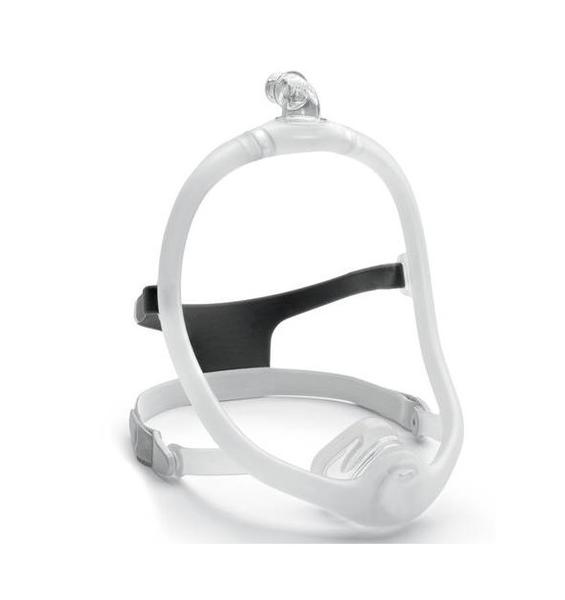
How-To Guide: Picking The Right CPAP Mask
Many people diagnosed with OSA by a sleep specialist use CPAP therapy as a form of treatment in the hopes of getting a more restorative night’s rest. You may know that CPAP equipment is a vital part of this therapy. But you may not know exactly what you should be looking for when buying CPAP equipment.
Our how-to guide will help you understand the different kinds of CPAP masks available so that you can make an informed purchase decision.
What To Look For In A CPAP Mask?
Like with shoes or the right pair of pants, sleep apnea masks are not a “one size fits all” kind of product.
While your CPAP vendor may have walked you through the type of CPAP machine model you will need for your obstructive sleep apnea diagnosis, choosing a sleep apnea mask does come down more to preference and other factors such as your sleeping position.
When looking for a CPAP mask it is important to ask yourself a number of questions such as:
- Do you sleep with your mouth open?
- Do you change positions a lot when you sleep?
- Do you have facial hair?
- Is the skin on your face easily irritated?
All of these questions can help guide you towards a style of mask that will suit your needs while still providing comfort when sleeping at night.
Sleep Apnea Masks: The Different Types You Can Choose From
There are three main types of CPAP masks:
- Full face masks
- Nasal masks
- Nasal pillow masks
Full Face Masks
Full face CPAP masks seal are held in place by four-point headgear and are designed to seal around the nose and mouth. If you are someone who prefers to sleep on their backs, a full face mask may be the best option for you.

If any of the following applies to you, then a full face mask may be a good choice:
- You are a back sleeper
- You breathe primarily through your mouth
- You’ve been prescribed a high CPAP pressure
Full face masks are often recommended for those who naturally sleep with their mouths open or who suffer from chronic sinus issues and find it hard to breathe through their nose. This is because this mask allows CPAP airflow to be delivered through both the nose and the mouth.
If you tend to sleep more on your back, this mask will also be a better choice for you. This is mainly due to the fact that full face can be bulkier than that of other options so don’t allow for easy tossing and turning.
Additionally, If you have been prescribed a high CPAP pressure, the wide surface area of the mask makes the pressure more tolerable and less direct, especially when you are new to CPAP therapy.
Full-face masks such as the Resmed AirFit F30, which has been newly redesigned, will enjoy increased sightlines aiding in the ease of wear. Additionally, the new material used is much lighter and more comfortable to wear than older models.
It has become a popular choice among many OSA patients. This is mainly due to its minimal contact design with an UltraCompact cushion under the nose leading to fewer facial marks and the use of Resmed QuietAir elbow technology, providing a quieter and less disrupted sleep.
Nasal Masks

Nasal masks are a popular choice among many OSA patients due to their minimal design. These masks are designed to only cover the nose so it takes up less surface space than that of full face masks.
Nasal masks also come in many different styles making them suitable for a wide range of face shapes. For nasal masks, air delivery is more direct and high pressure because there is less surface area for the air to move around in. If you move around a lot or tend to sleep on your side, this is another reason nasal masks can be a great choice.
However, they also have their downsides. If you experience colds or blocked sinuses often, using a nasal mask could be a problem in the delivery of the required air pressure. Also, if you are a mouth breather, you would need to wear a chin strap to keep your jaw closed.
If you think that a nasal mask could be the right choice for you, consider the Dreamwisp Nasal Mask by Philips Respironics. Its revolutionary top of the head mask design not only provides stability for comfort but also greater freedom of movement by keeping tubing out of the way. This mask also comes with all sizes of nasal cushions making it an easy fit for all OSA patients.
Nasal Pillow Masks
Nasal pillow masks are the smallest and most lightweight CPAP masks on the market. If you are worried about a mask being too cumbersome, this is a great choice. If you also have a tendency to feel claustrophobic, this also proves as a good option.
Nasal pillow masks blow pressurized air through two soft nasal tubes that insert into the nostrils. Many OSA patients who buy a nasal pillow mask comment on having fewer problems with leakage because the airflow is direct. Their minimal design does make it easier to read and watch TV at bedtime but due to its thinner headgear, there is a higher risk for the mask to shift.

Nasal pillow masks such as the Swift FX Nasal Pillow CPAP Mask are ultra-minimal due to it being designed to cover as little as the face as possible and is known for being quiet (which is a great feature if you share a bed). Also, nasal pillow masks, like this one, are great for travelling due to how compact they are. Additionally, if you have facial hair, this style is a good option as it means your facial hair won’t cause any leakage to your CPAP therapy.
One thing to keep in mind, if you have been prescribed a CPAP machine with a high air pressure level, a nasal pillow mask could be uncomfortable. This is because of the amount of air that’ll need to pass directly into your nostrils.
The Positive Benefits Of Having The Right CPAP Machine & Mask
In order for CPAP therapy to be successful, you need to have the right mask. If your mask isn’t comfortable you risk compromising the quality and effectiveness of your therapy, either by having mask leakages or not sleeping correctly at night.
With the right CPAP mask, not only will you get a more restorative night of sleep, but you’ll also receive the benefits of effective CPAP therapy. Some of these benefits include improved daytime energy levels, concentration levels and even mood stability.
Keep in mind that starting CPAP therapy is a learning curve. Don’t be surprised if some trial and error is needed at first with your CPAP mask. Not all CPAP therapy patients get their choice of mask right on the first try. Patience is required but the benefits that you receive of CPAP therapy always outweigh the challenges of picking the right equipment.
Browse our CPAP store to find the mask that’s right for you. Not happy with your choice? See our tips for what to do if you hate your sleep apnea mask.
Lasting Effects Of Sleep Deprivation: What You Need To Look Out For And Why
You might think that missing a few hours of sleep here or there won’t have any long-term negative effects. But sleep deprivation can have far more sinister impacts on our bodies other than just feeling a little more fatigued the next day.
For Canadians, more than half of all adults find it difficult to sleep consistently throughout the night. Hectic work, family and social lives often mean that we put healthy sleep schedules on the back burner.
All adults should be getting between 7 and 9 hours of sleep each night. Anything below this can be considered as sleep deprivation. Yet, exactly how harmful is prolonged lack of sleep on our minds and body?
Sleep Deprivation: How Harmful Is It To Our Mind And Body?
We need sleep just as much as we need food for nourishment and air to breathe. During sleep, our body carries out important tasks such as healing itself and restoring chemical balance. Without the ability to do this, it severely impacts our physical and cognitive functioning.
Have you ever had a deadline at work that required you to stay in the office until late at night multiple days in a row? The likelihood is that you have. It’s also likely that you weren’t getting enough sleep and were feeling more groggy than usual. But you put up with it to get the work done.
Although it might only have been 5 hours of missed sleep spread out over a week, gaining those valuable hours back isn’t as simple as sleeping in late Saturday morning. In fact, you’ll probably notice that it actually takes a few days before you’re back to your normal self.
Sound familiar? Now imagine that’s happening on a constant basis. With every hour of lost sleep, your mind and body become less capable to function at its best. You lack focus, have lower energy levels and may even become sick more often.
Common Lack Of Sleep Side Effects And What To Look Out For
Now that you know being sleep deprived is more than just feeling extra tired, let’s look at the common lack of sleep side effects we need to be keeping an eye on.
Hypertension & Heart Disease
Hypertension is very common among people who are suffering from sleep deprivation. During deep sleep, our body produces its own form of blood pressure medication. Our heart drops and our blood pressure lowers, allowing the cardiovascular system to reboot itself.
In people who are sleep deprived, this process doesn’t happen so they are more likely to experience increased blood pressure. This, over time, can lead to cardiovascular disease.
Weight Gain
Poor sleep isn’t the only factor in weight gain but it can lend a helping hand. Certain studies have found that even a week of sleeping 5 hours or less can cause us to gain at least 2 pounds. That’s because lack of sleep wreaks havoc with hormones that regulate hunger and appetite.
The hormone ghrelin increases making us feel more hungry. It also impacts what we want to eat and makes us crave more sugary, fatty foods.
Depression
Sleep puts our minds into a restorative state and helps us to regulate stress levels. When this sleep gets disturbed it can heavily impact our mood, outlook on life and our emotions.
Depression and other mental health conditions such as anxiety are very common among people who are sleep deprived. Chronic lack of sleep alters our ability to control our emotions and can lead us to become more irritable, withdrawn and unhappy.
Additionally, these conditions make it more difficult for us to sleep at night adding to continued loss of sleep.
Reduced Brain Function & Memory Loss
Not only does sleep deprivation affect emotions but also how the brain functions. Excessive tiredness has been known to decrease performance levels, memory retention and impair judgement.
When we are tired, our concentration levels are lower. We are less alert and engaged with what is happening around us. Our ability to carry out tasks that require complex thought is hampered impacting our work performance.
Making decisions is also more difficult as our judgement is impaired. Situations are harder to assess and our ability to “think on our feet” is next to non-existent leading to an increase in accidents and injury, especially when it comes to driving.
Do you often forget things that you’re sure you know? Our ability to retain new memories is possible only when we receive adequate sleep. Without this, our brains are incapable of forming new pathways between nerve cells to retain any new information that we have learned.
That’s why it’s much easier to forget our house keys when we’re tired.
Decreased Fertility
Not surprisingly, our sex drives are affected by sleep deprivation. But did you know that fertility is too?
Like sleep, fertility is a complicated process. The part of the brain that regulates our sleep-wake hormones also triggers our daily release of reproductive hormones.
Lack of sleep disrupts these hormones and can make it harder for both men and women to reproduce. This is because testosterone levels tend to decrease with poor sleep quality along with physical sexual desire.
What Causes Us To Lose Sleep And When Should We Worry?
For many of us, lack of sleep happens purely from our minds being too active at night. Maybe we are too stressed out from our demanding jobs or we have a 5 pm coffee habit that we just can’t seem to kick.
There are many everyday stresses and activities that can make it harder for us to sleep at night. But there are also chronic illnesses that prevent us too. It is these that we need to be worried about.
Sleep disorders such as insomnia, obstructive sleep apnea and narcolepsy are all medical conditions that lead to poor sleep quality. Many people who experience chronic sleep distribution are often diagnosed with one of these disorders.
If you can’t pinpoint a particular reason for why you are feeling drowsy on a consistent basis, it may be worth getting assessed by a sleep specialist. A specialist will be able to determine what’s causing lack of sleep. Or, at least provide some insight or solution to a better quality of sleep.
Sleep Deprivation Treatment: Ways To Improve Your Quality Of Sleep
It is possible to train your body to get back on a healthy sleep schedule. This can be done by making necessary lifestyle changes. Here are some natural and relaxing activities that you can try to wind down before going to bed each night:
- Reduce coffee intake after 12 pm
- Limit day time napping
- Go to bed and wake up at the same time each day
- No screen time after 9 pm
- Take a relaxing bath or read a book
If you feel that the cause of your sleep deprivation is something more serious, the most effective plan of action is to get a consultation from a sleep specialist. They will determine whether you need a positive airway pressure machine to assist you while sleeping.