

CPAP product reviews and other helpful tips for CPAP users!

APAP vs BiPAP: These Sleep Apnea Machines Explained
APAP vs BiPAP: Which Sleep Apnea Machine Is Right For Me?
So, you’ve just been diagnosed with Sleep Apnea, also known as OSA. The first course of action with a diagnosis is to get on a treatment plan that involves positive airway pressure (PAP). This is achieved by using a PAP machine.
Your sleep doctor will recommend what kind of machine is best for you depending on the type of Sleep Apnea that you have and its severity. However, there are many different kinds of PAP machines available on the market. The three most common are APAP, BiPAP and CPAP.
Following on in our series of examining each of the Sleep Apnea machine types that are on the market, next we are comparing APAP and BiPAP. If you have prescribed either of these machine types but are wondering how they differ from the other, we’ll explain all that.
APAP: An Inside Look At This Form Of Sleep Apnea Therapy

Firstly, let’s look at the APAP machine and how it is used as part of Sleep Apnea therapy. APAP stands for Automatic Positive Airway Pressure. This PAP machine is configured to deliver air pressure to an OSA patient that adjusts based on the individual’s needs.
APAP machines are able to calculate an individual’s required pressure levels automatically and can adjust instantaneously to provide comfort with each breath that a person takes while they are sleeping. It is this feature that makes this Sleep Apnea machine so unique. Why is this? Because other PAP machines such as a CPAP deliver airway pressure at a consistent pressure level and don't have the ability to adapt to changes in a person’s breathing pattern.
Many Sleep Apnea patients that either find it too difficult to exhale against the constant pressure of a CPAP machine or suffer from allergies and congestion on a regular basis are often prescribed an APAP machine as part of their Sleep Apnea therapy. Most patients appreciate the use of an APAP machine due to their flexibility and the ease of adaptability to treatment.
BiPAP Machine: What Is It?

A BiPAP machine, also known as a Bi-level Positive Airway Pressure machine is another example of a machine that is used to treat Sleep Apnea. We have spoken about this type of OSA therapy in a previous post but we want to share a little recap with you to refresh your understanding.
Many components of a BiPAP machine look similar to that of a CPAP machine, however, the way in which it functions is very different. This type of Sleep Apnea machine provides treatment to patients by delivering two different pressure settings: inspiratory positive airway pressure (IPAP) and expiratory positive airway pressure (EPAP).
Both of these pressure settings are configured at different levels. IPAP is used when inhaling as it relies on a higher pressure setting which supports the inhale and ensures that enough air is being delivered to keep the patient’s airways open. EPAP, on the other hand, is set at a lower pressure and is used on the exhale. That is because when we exhale, we don’t need the same level of assistance, so having a lower pressure level makes it more comfortable to exhale against.
Many sleep physicians would often prescribe an OSA patient with a BiPAP machine if they also experience breathing restrictions such as due to COPD or if they experience intolerance to CPAP therapy.
What Is The Main Difference Between The Two Sleep Apnea Machines?
When it comes to the appearance of these machines, both are produced with similar parts and features. From first glance, it would be hard to tell whether the machine is a CPAP, BiPAP or an APAP. However, the difference is in the details and when it comes to these two Sleep Apnea machines, the main difference is how they deliver airway pressure.
While it is clear to see that neither machine delivers therapy in the same way that a CPAP machine does, an APAP machine certainly ticks more boxes when it comes to flexibility. With a BiPAP machine, only two set pressure levels are delivered. However, with an APAP machine, your sleep physician will set a pressure range that allows more of a fluid movement to adapt to your breathing needs at night.
Yet, BiPAP offers an advantage that can’t always be fulfilled by either APAP or CPAP which is the additional support for other respiratory issues such as pneumonia, COPD and hypoxemia.
Purchasing A Sleep Apnea Machine: Considerations To Keep In Mind
When it comes to purchasing either an APAP or BiPAP machine you will need to keep a few considerations in mind.
Firstly, only purchase the type of Sleep Apnea machine that has been prescribed to you by your sleep physician. Using a PAP machine that is not right for your needs or conditions could lead to unsuccessful treatment. If you are unsure which machine you have been prescribed, reach out to our experts and we’ll point you in the right direction.
Secondly, consider whether you will need a machine that is easily portable for travelling and what kind of sleeper you are. Knowing the answers to these questions will help you in picking the right accessories for your machine too.
If you need an APAP machine, our top recommendation is the DreamStation Auto Expert with Humidifier and Heated Tubing. Many customers enjoy the modern, low-profile look that this PAP machine offers. The DreamStation brand also offers a BiPAP machine which is another Sleep Apnea machine that is highly regarded by our experts here at CPAPMachines.ca.
Expert Tips For Combating CPAP Mask Nasal Dryness
Nasal Dryness With CPAP: Why It Happens
CPAP nasal dryness can happen. Like with all things, you might come up against some bumps in the road on your journey to better sleep. But, that doesn’t mean that your CPAP therapy isn’t working or that you should give up. All that’s needed is a little bit of adjustment.
What exactly is CPAP nasal dryness and why does it happen? The nasal passageway is extremely vascular and for this reason, this can dry out more easily. In order for our nose to stay in optimal condition, it is important that we keep an adequate level of humidity. As CPAP therapy involves a flow of cold dry air, it can be hard for our nasal passages to maintain warmth and moisture levels leading to dryness and rebound congestion.
If you experience this, we know how uncomfortable it can be. But the good news is that there are ways that you can reduce this problem from happening and tips to alleviate symptoms.
Tips And Tricks To Fix This CPAP Mask Problem
Remember, there is no problem with your CPAP mask or machine that can’t be overcome with a little bit of advice and help. We always get asked for our advice on how to resolve CPAP dry nose from Sleep Apnea patients. That’s why we want to share our top expert tips and tricks with you so that you can give them a try at home today.
Use A Heated Humidifier
It may be worth considering using a heated humidifier to try and relieve some of your CPAP mask problems. Your CPAP machine will more than likely have a humidifier already attached to it when it was purchased. If you’re experiencing nasal dryness, turning on the humidifier and heated hose function, if you have it, can be beneficial.
The reason why humidifiers are recommended with the use of CPAP machines is that they supply the right amount of humidity to the airflow that you receive especially when your nose isn’t capable of maintaining its humidity levels. The higher you turn up the heat on humidifiers, the more moisture that you’ll be supplied with.
Using a humidifier on a regular basis can decrease any discomfort that you experience while ensuring that you receive the benefits of CPAP therapy.
Make Sure The Mask Fits Correctly
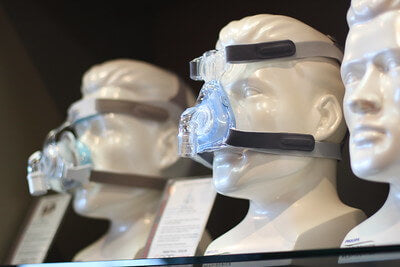
One reason why you might be experiencing CPAP mask nasal dryness is if the mask isn’t fitting correctly. If your mask is too big or has parts such as a strap that needs to be replaced, it can cause your mask to leak. There are two types of mask leaks that you might experience: a seal leak or a mouth leak. If you notice a hissing sound or wake up feeling like your Sleep Apnea symptoms aren’t being relieved at night, this could be a sign that your mask isn’t fitting properly.
So, what can you do to fix this and improve nasal dryness? If you suspect that your mask isn’t fitting properly, it is essential that you speak with your CPAP vendor or sleep specialist to talk about why this might be happening and whether your mask needs to be replaced.
When CPAP masks fit properly, they ensure the successful delivery of your prescribed airway pressure straight through the mask to your nasal passages with no leaks and minimized risk of having a dry nose.
Use Non-Petroleum Based Moisturizers
Using a non-petroleum moisturizer or jelly can be extremely beneficial in helping to restore the moisture levels in your nose. If you find that nasal dryness is becoming an issue with CPAP therapy, put a small dab of non-petroleum moisturizer to the lining inside of your nose using your finger. Doing this before going to bed and upon waking up can alleviate symptoms of a dry nose.
Comfortable CPAP Therapy: It’s Possible
Yes, it is possible that you will experience one or more problems with either your CPAP mask or a machine while receiving Sleep Apnea therapy. That is unavoidable. But each problem can be easily solved. If nasal dryness has been causing you some discomfort, try out the expert tips that we outlined below.
If you are a CPAP user and have a recommendation on what cured your dry nose, let us know. We love hearing from customers about which tips they always turn to! Want to learn more about how you can fix other problems? Check out our post on the most common CPAP problems and how to fix them.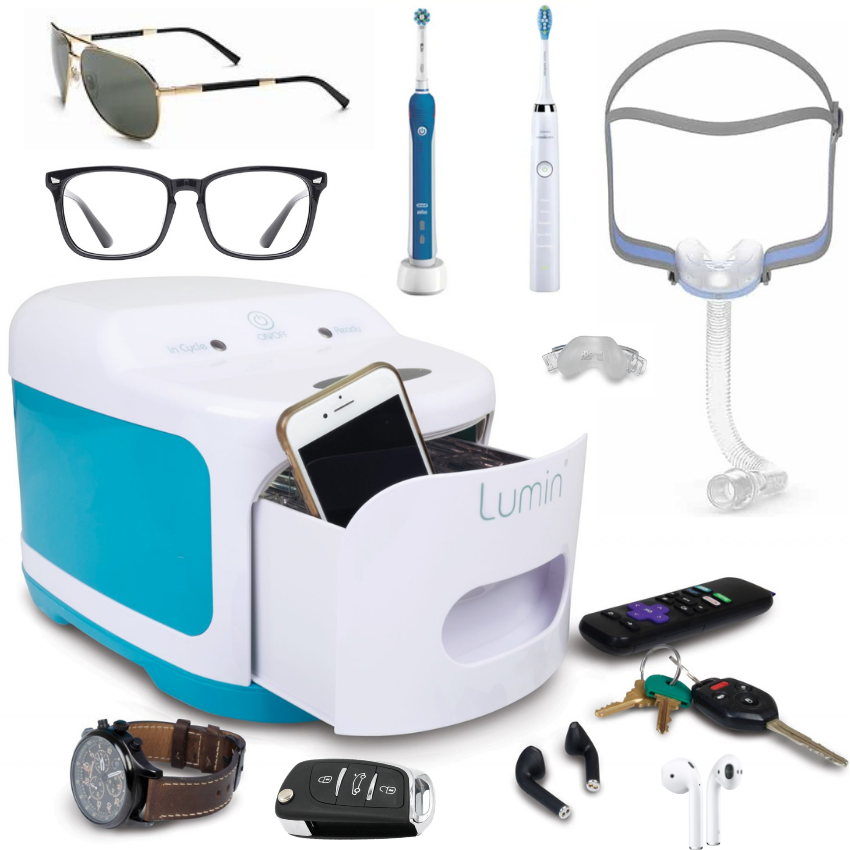
Lumin CPAP Cleaner: The Best CPAP Sanitizer Yet?
Looking To Speed Up The CPAP Cleaning Process?
Is cleaning your CPAP equipment the bane of your existence? Although PAP equipment such as CPAP masks and machines clearly provide a multitude of benefits to those who need them, the downside is the cleaning process.
As we talk about in our CPAP cleaning hacks guide, each part of your CPAP equipment needs to be cleaned on a regular basis to make sure that it continues to function as it was intended. But when life gets busy, taking time out of your schedule to clean your Sleep Apnea mask may be the last thing on your priority list.
What if we told you that you can speed up this process without juggling 5000 tasks at once with the help of just one device? Sounds almost too good to be true but believe us, it is.
Lumin CPAP Cleaner: Why It Should Be On Your Radar
The Lumin CPAP Cleaner by 3D Medical is one sanitizing device that is being highly recommended by many Sleep Apnea experts all over the world. And it isn’t hard to see why.
This convenient CPAP cleaner has the ability to sanitize each part of your PAP equipment (masks, accessories and water chambers included) and kill 99% of bacteria and viruses. All within 5 minutes. Using a powerful UV light, that is safely contained within the device’s chamber, it removes any pathogens or bacteria that are present on your CPAP mask and machine.
This UV light is also environmentally-friendly and non-toxic making it a much safer alternative than many other CPAP cleaners on the market. This has been highly praised by many in North America and beyond.
Another reason why the Lumin is considered a go-to CPAP cleaner is because of its guaranteed longevity. We all know that certain parts of our Sleep Apnea masks and machines require replacement. The same must be true for this, right? Wrong. This CPAP sanitizer is a true one-time investment piece. No need to worry about replacing filters or light bulbs - just plug in and go.
Sounds good so far but what’s the catch? There is none. That’s why many experts recommend you keep this device on your radar.
Benefits Of Using A CPAP Sanitizer
Wondering why you would need a CPAP sanitizer in the first place? Below we list the top benefits you will receive from adopting a device such as the Lumin UV as part of your cleaning regime.
Final Verdict: Our Honest Thoughts On The Lumin UV
The team here at CPAPMachines wanted to try out the Lumin UV CPAP Cleaner for ourselves to see how much of a difference it actually makes. And we weren’t disappointed.
The fact that this device provides a quick, mess-free cleaning experience was clear from the first try. And when they say 5 minutes, they mean it (believe us, we timed it). If you are looking for a device that can cut down on your cleaning routine considerably and also safely clean other household objects in record time, the Lumin CPAP Cleaner is a great option for you.